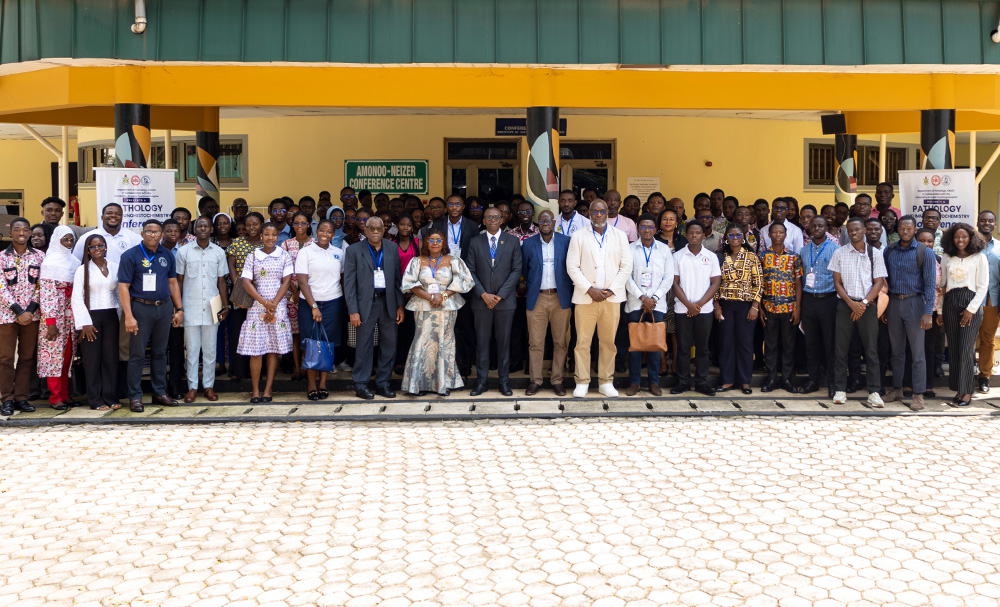
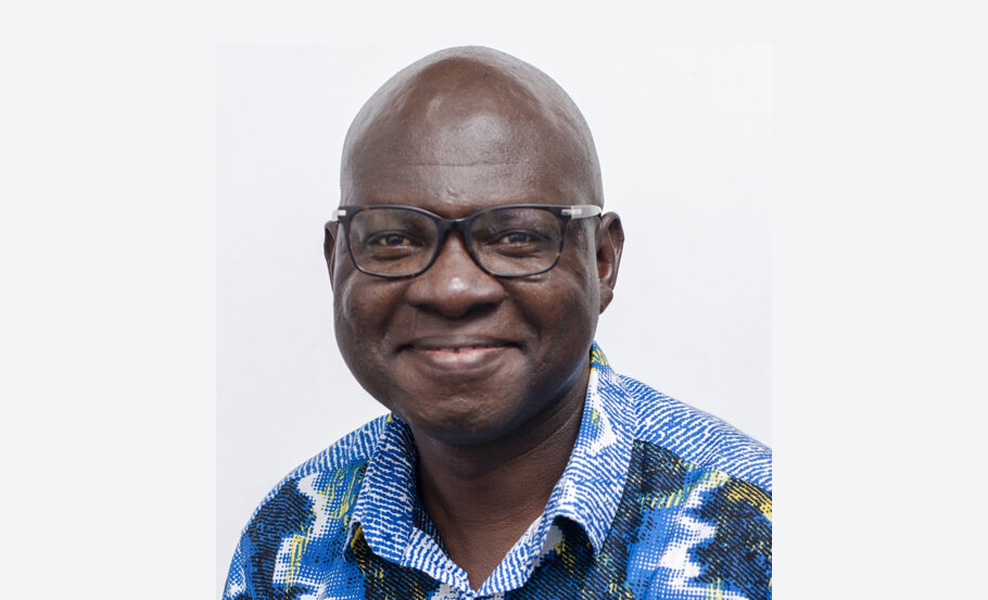
The Department of Pathology at the KNUST College of Health Sciences, in collaboration with the University of Leeds, UK, has held an inaugural conference on immunohistochemistry and pathology to strengthen diagnostic capacity and advance research into liver and gastrointestinal diseases.
The conference brought together local and international pathologists, scientists and clinicians.
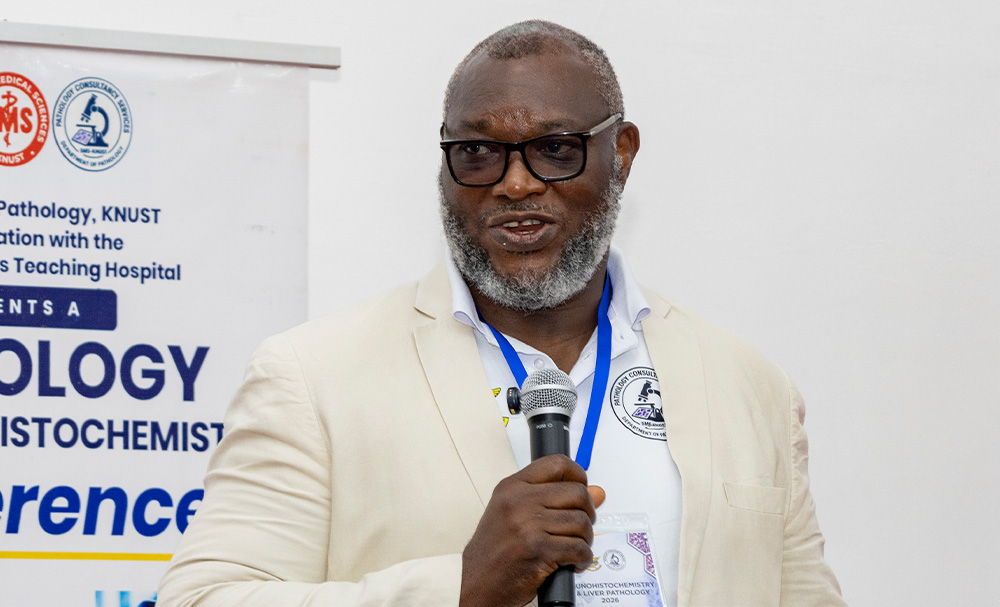
The Head of the Department of Pathology, Professor Nicholas Titiloye, said the conference aimed to improve diagnostic practices, strengthen research networks and introduce students to developments in contemporary pathology.
“Our main aim here is to bring faculties, both pathologists and scientists together to improve diagnostics, build networks for research, and teach students things that are very important in pathology today,” he said.
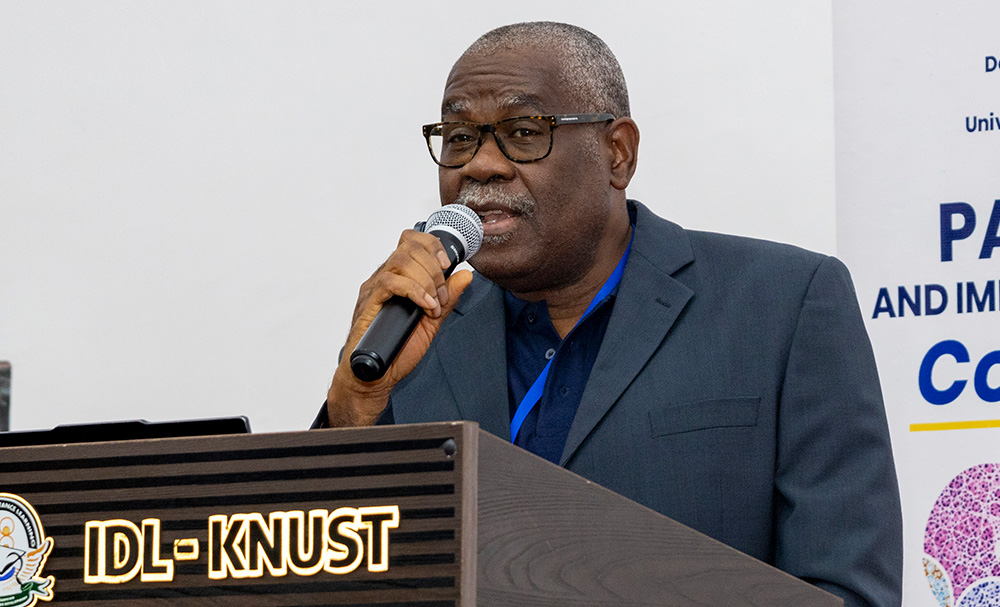
Professor Titiloye acknowledged the contribution of Dr Olorunda Rotimi of the University of Leeds, who served as faculty lead for the conference, citing his previous involvement in pathology training and professional development in Africa.
Dr Rotimi thanked the organisers for the invitation and said he looked forward to exchanging knowledge and experiences with participants and contributing to discussions on developments in the field.
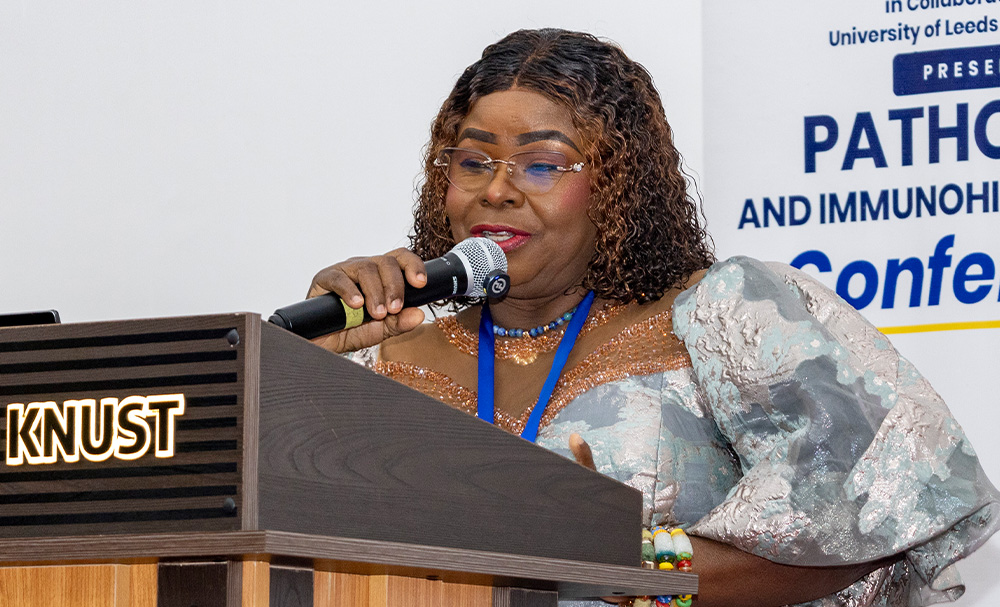
The Chief Executive Officer of Peace and Love Hospitals and President of Breast Care International, Dr Beatrice Wiafe Addai, said in her keynote address that effective cancer treatment depended on accurate and timely diagnosis, with pathology providing a critical foundation for oncology services.
“There can be no effective cancer treatment without an accurate and timely cancer diagnosis. And behind every accurate cancer diagnosis is the indispensable work of pathology,” she said.
Drawing on her experience in cancer surgery, breast cancer advocacy and management, Dr Wiafe Addai highlighted the consequences of delayed and inadequate diagnosis, particularly for patients with limited access to quality cancer services.
She said immunohistochemistry had become an essential tool for understanding the biological characteristics of cancer, distinguishing cancer subtypes, determining prognosis and guiding treatment decisions.
Dr Wiafe Addai expressed concern about unequal access to quality pathology and immunohistochemistry services across Africa and other low- and middle-income settings. She cited inadequate laboratory infrastructure, shortages of trained personnel and reagents, and delays in receiving pathology results as barriers to cancer care.
She called for sustained investment in pathology infrastructure, training, research and innovation, alongside stronger multidisciplinary partnerships, to make accurate diagnosis more accessible and affordable.
“A patient's chance of survival should not depend on whether she lives in Accra, Kumasi, a rural community in Ghana, or a well-resourced city elsewhere in the world,” she said.
She urged African universities and research institutions to generate evidence reflecting the biological characteristics of African populations. She also encouraged young scientists to pursue emerging fields such as digital pathology, artificial intelligence, molecular diagnostics and precision medicine.
Dr Wiafe Addai said a collaborative initiative with partners was exploring diagnostic technologies, including a prototype instrument that she said could diagnose breast cancer within 10 minutes.
The technology could potentially provide clinicians with diagnostic information while patients were still at the hospital, allowing quicker treatment planning and reducing the anxiety associated with prolonged waiting periods, she said. The equipment could also help assess the margins of surgically removed tissue.
Dr Wiafe Addai said such innovations offered opportunities to improve cancer diagnosis and treatment, particularly where access to specialised laboratory equipment remained limited.
She also called for collaboration among surgeons, oncologists, radiologists, pathologists, nurses, researchers and patient advocates, saying effective cancer care required their combined expertise.
“Behind every tissue specimen is a human being. Behind every laboratory report is a family waiting for answers,” she said, urging healthcare professionals to remain mindful of the people behind their diagnostic work.
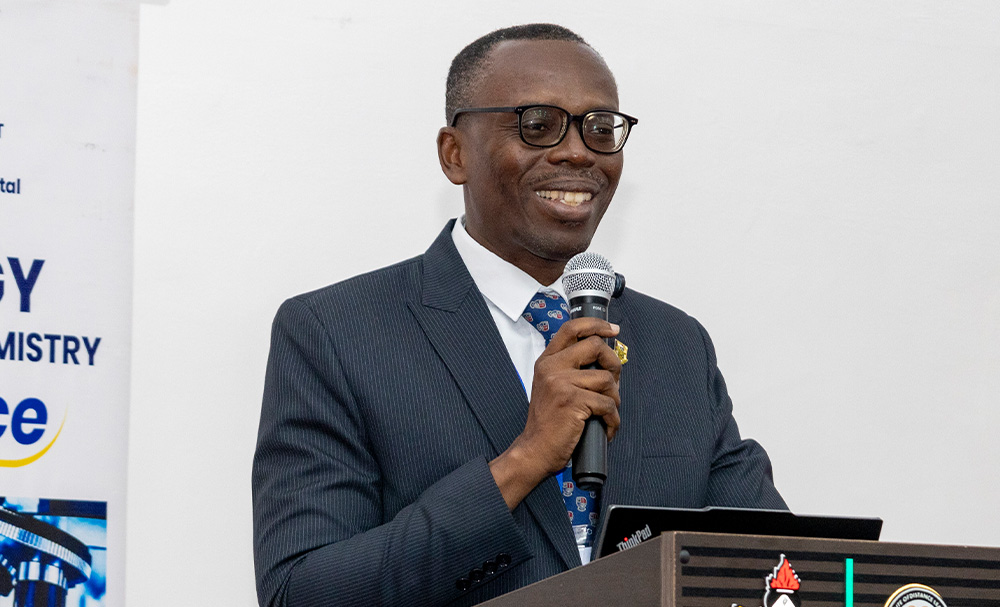
The Provost of the College of Health Sciences, Professor Fred Stephen Sarfo, said advances in pathology were increasingly important for improving diagnostic accuracy, determining patient prognosis and supporting targeted treatment.
He said immunohistochemistry linked conventional tissue examination with modern molecular medicine by helping specialists identify cellular markers and translate them into information useful for patient care.
“Immunohistochemistry has emerged as a bridge that connects our traditional morphological pathological diagnosis on one hand, and the modern era of molecular medicine and molecular diagnosis on the other,” he said.
Professor Sarfo described the conference’s focus on liver and gastrointestinal diseases as timely, given the growing diagnostic challenges associated with these conditions in Ghana.
He encouraged participants to exchange professional experiences, strengthen research networks and explore ways to advance immunohistochemistry in Ghana through collaboration.
Story: Abigail Ofori