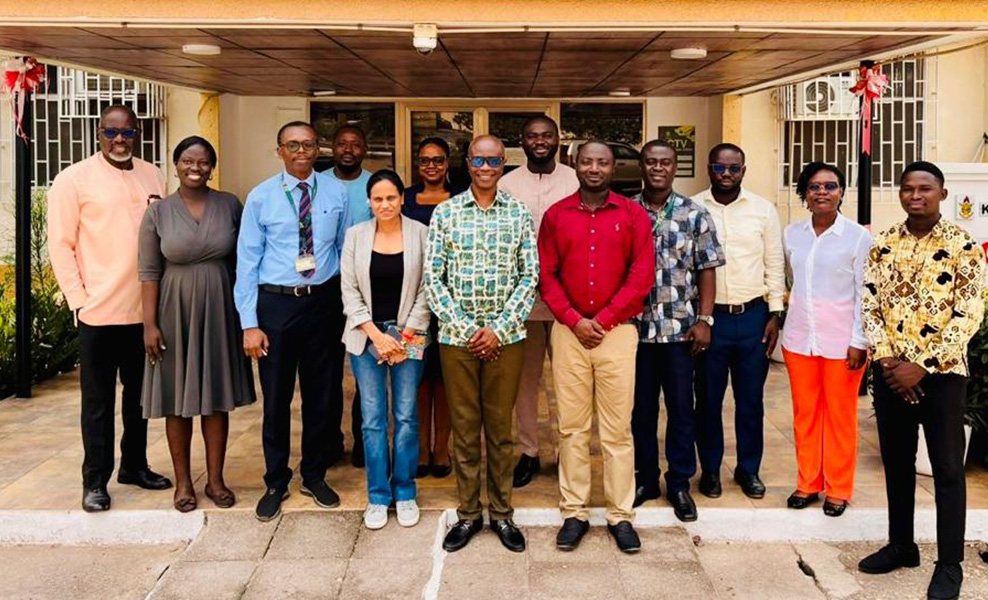
The School of Medical Sciences (SMS) at Kwame Nkrumah University of Science and Technology (KNUST) has continued its tradition of fostering interdisciplinary academic dialogue through its periodic Interdisciplinary Seminar Series. The most recent session featured Professor Sandra Kwarteng Owusu, a renowned child lung specialist at the School of Medical Sciences and Komfo Anokye Teaching Hospital, who delivered an insightful presentation on the “Epidemiology of Lung Diseases in Africa: Steps to Improve Lung Health.”
In her presentation, Prof. Owusu emphasized that lung health is shaped long before birth. She explained that lung development begins during fetal life, a stage when the lungs are particularly vulnerable to environmental insults such as nicotine exposure and air pollution during pregnancy. These early exposures, she noted, can permanently affect lung structure and immune function, influencing respiratory health throughout life.
According to Prof. Owusu, early childhood respiratory infections also play a significant role in determining long-term lung function. Infants born prematurely or exposed to repeated lower respiratory tract infections may experience impaired lung development, increasing their risk of chronic respiratory diseases later in life.
The seminar also highlighted the major pathways driving poor lung health across Africa. Prof. Owusu explained that social and environmental factors such as air pollution, tobacco exposure, use of biomass cooking fuels, and occupational hazards significantly increase the risk of respiratory disease. She stressed that individuals from lower socioeconomic backgrounds are disproportionately affected due to greater exposure to these risks.
A major focus of the lecture was what Prof. Owusu described as Africa’s “Big Five” respiratory diseases: lower respiratory tract infections, tuberculosis, chronic obstructive pulmonary disease (COPD), asthma, and lung cancer. These diseases collectively account for a significant portion of illness and mortality across the continent. Lower respiratory tract infections remain the leading cause of death among young children, particularly in sub-Saharan Africa, while tuberculosis continues to be one of the world’s leading infectious killers despite being preventable and curable.
Prof. Owusu further noted that chronic respiratory conditions such as asthma and COPD are rising steadily in Africa, driven by urbanization, environmental pollution, and lifestyle changes. Asthma, she explained, often begins in childhood and is frequently undiagnosed or poorly managed in many African countries, contributing to avoidable complications and deaths.
She also highlighted the emerging threat of lung cancer, which is increasingly linked not only to smoking but also to air pollution, occupational exposures, and indoor smoke from solid fuels. Limited access to screening technologies and advanced treatment options in many African countries further complicates the management of the disease.
Another critical issue discussed was the impact of climate change on lung health. Prof. Owusu explained that Africa’s climate vulnerability exposes populations to environmental hazards such as dust storms, droughts, wildfires, and changing weather patterns that worsen respiratory symptoms and increase the spread of respiratory infections.
To address these challenges, she proposed several strategies for improving lung health across Africa. These include integrating respiratory services into primary healthcare systems, improving access to diagnostic tools and inhaled medicines, training healthcare workers in respiratory care, and increasing public awareness to combat stigma associated with lung diseases. She also emphasized the need for stronger research funding and improved data systems to understand the continent’s respiratory disease burden.
Prof. Sandra Kwarteng Owusu is widely recognized as one of Ghana’s leading child lung specialists. She established Ghana’s first clinic dedicated to children with breathing and lung conditions and has played a pivotal role in improving the diagnosis and treatment of diseases such as asthma and pneumonia among children.
The seminar offered faculty members, clinicians, and students a deeper understanding of the life-course determinants of lung health. It underscored the urgent need for coordinated action to address respiratory diseases in Africa.
Through initiatives like the SMS Interdisciplinary Seminar Series, KNUST continues to provide a platform for knowledge sharing and collaborative discussions on pressing health challenges facing Ghana and the African continent.